








Make reading feel easy, short and chosen by your child, and take the pressure off. Most reluctant readers between 5 and 8 are not lazy. Reading is still hard work for them, so they avoid it. The fix is to lower the effort, raise the fun, and keep a steady habit of ten or fifteen relaxed minutes, while you watch for signs that something more is going on.
Why a child avoids reading
At this age, a child who sounds out words is spending most of their attention just decoding. By the time they reach the end of a sentence, the story can be gone. Books that look long, pages full of small print, and being asked to read aloud while someone watches all raise the cost.
Avoiding reading also has a side effect. A 2011 meta-analysis in Psychological Bulletin by Mol and Bus, covering 99 studies and 7,669 participants, found that children who read more tend to become stronger readers, and children who are stronger readers tend to read more. The authors describe it as an upward spiral. For children in primary school, print exposure explained about 13 percent of the variation in oral language skills. The same paper noted that poor readers also appear to benefit from reading on their own time. So the goal is not a perfect reader tonight. It is to get the spiral turning in the right direction.
Five steps that lower the pressure
1. Let your child choose. Picture books, comics, joke books, books about trucks or animals, and books far below their level all count. A choice they made is a book they are more likely to open.
2. Keep it short. Set a timer for ten minutes, or agree on one chapter, or one short story. Finishing something is a win, and a child who finishes a short book wants another one.
3. Share the reading. Take turns by page, or you read the hard pages and they read the easy ones. You can also read a line together and then let them read the next one alone. This keeps the story moving.
4. Keep reading aloud to them. The American Academy of Pediatrics 2024 policy statement recommends shared reading from birth and continuing at least through kindergarten. After that, nothing says to stop. A 6, 7 or 8-year-old can enjoy stories they are not yet able to read themselves, and it keeps books linked with comfort.
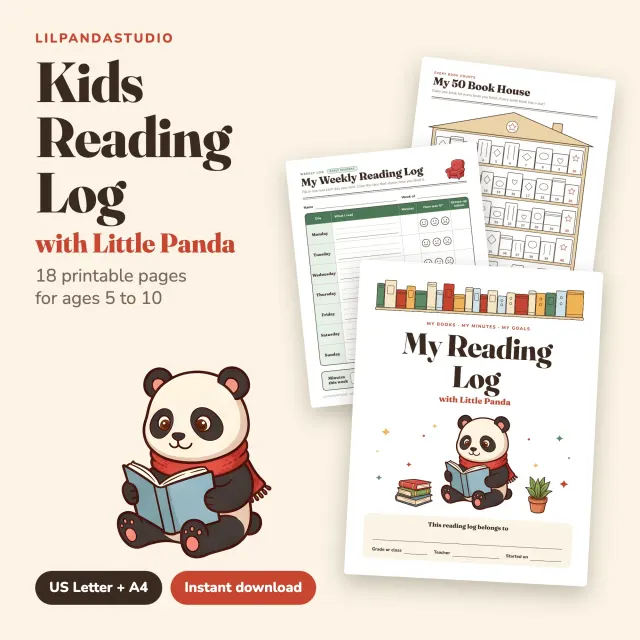
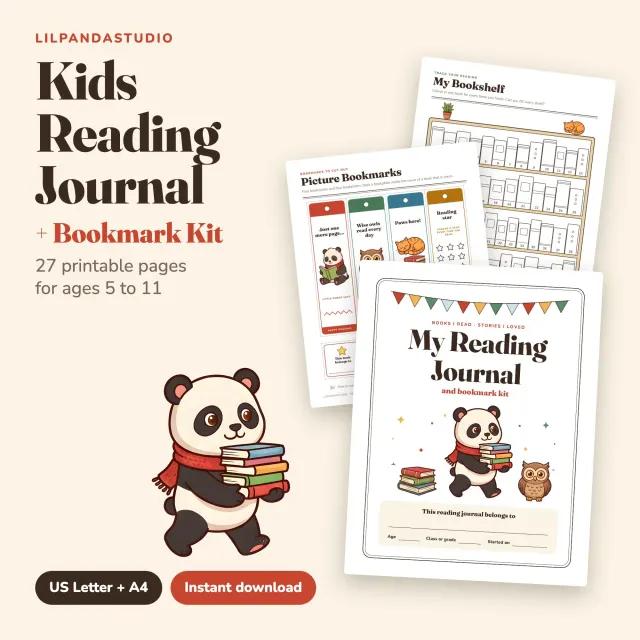
5. Make it visible. Put a basket of books where your child sits, take a trip to the library, and let them keep track of what they finish. A simple chart works well, and the free kids reading log is one way to do it. Stickers are optional. The point is to see progress.
What to say, and what to skip
The words you use matter more than any gadget. Here are a few lines that tend to help.
When they resist: "We do not have to read the whole thing. Do you want to read the first page and I will do the rest?"
When they get stuck on a word: "Take your time. Want me to tell you this one, and then you keep going?"
When they finish: "You read that whole chapter. What was your favorite part?"
When they say they hate reading: "It sounds like reading feels like a lot right now. Let us find something that feels easier."
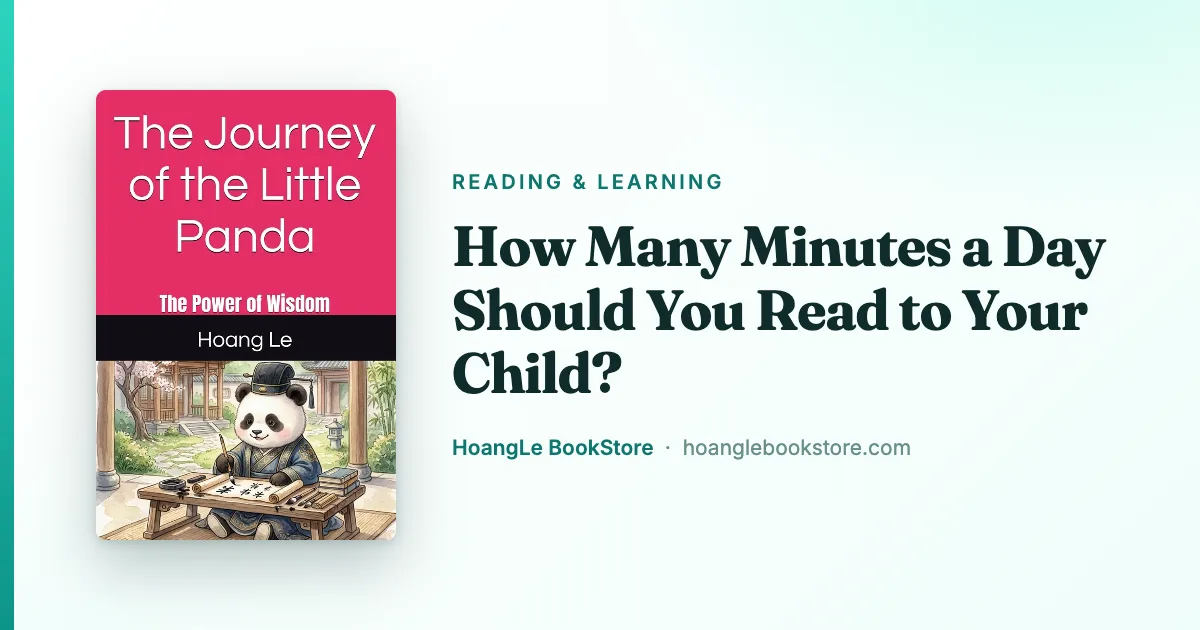
Try to skip the following: comparing them to a sibling or a classmate, correcting every mistake while they read, using reading as a punishment or taking books away, and insisting that comics or audiobooks do not count. Short bedtime stories can be a gentle bridge. A collection such as The Journey of the Little Panda Premium Collection, with 35 short animal stories, gives a child a complete tale to finish in one sitting.
Make the routine small and steady
Pick one time that already happens every day, such as after a snack or right before the lights go out, and attach reading to it. A predictable ten minutes is easier to keep than a big weekend session. If a day is missed, start again the next day and say nothing about it.
Pay attention to what your child picks up on their own. A child who will not touch a novel may happily read a recipe, a game manual, a menu or a label on a toy. All of that is reading, and it shows them that words are useful.
When to talk to a teacher or doctor
Some children avoid reading because it is truly harder for them. Mention it to your child's teacher if your child reads well below what is expected for their age, is slow and hesitant when reading aloud, has trouble remembering the alphabet or the order of days of the week, or becomes upset or withdrawn around reading. The NHS lists these among the signs of dyslexia in children, and notes that dyslexia does not affect intelligence. It also says a GP cannot diagnose dyslexia, but can check for other things that may affect school performance, such as hearing, and may suggest an eye test. Ask your pediatrician if your child squints, rubs their eyes, holds the page very close, or complains of headaches when reading. This article is general information, not a diagnosis.
Most children who resist books need time, easier material and a calm adult nearby. Keep the sessions short, keep the choice theirs, and keep reading to them.