Vietnamese folktales are, first of all, spoken things. They were carried by grandparents and neighbours long before anyone wrote them down, which is why almost every one of them exists in several versions. Ask two families for the same story and you will often get two different endings. That is not a flaw in the tradition — it is the tradition.
Most of them are explanations. Why there is a shadow on the moon. Why a particular fruit is shaped the way it is. Why a mountain stands where it does. A child asks a question, and the answer arrives as a story rather than a fact, which is a much older way of teaching than the one we mostly use now.
Where to start: Chú Cuội and the moon
If you tell one Vietnamese folktale, tell this one. Chú Cuội was a woodcutter who discovered a banyan tree with the power to heal. He was warned to care for it properly; the tree was disturbed, tore itself free of the earth, and rose — with Cuội still holding on. He landed on the moon, and he is said to be there still.
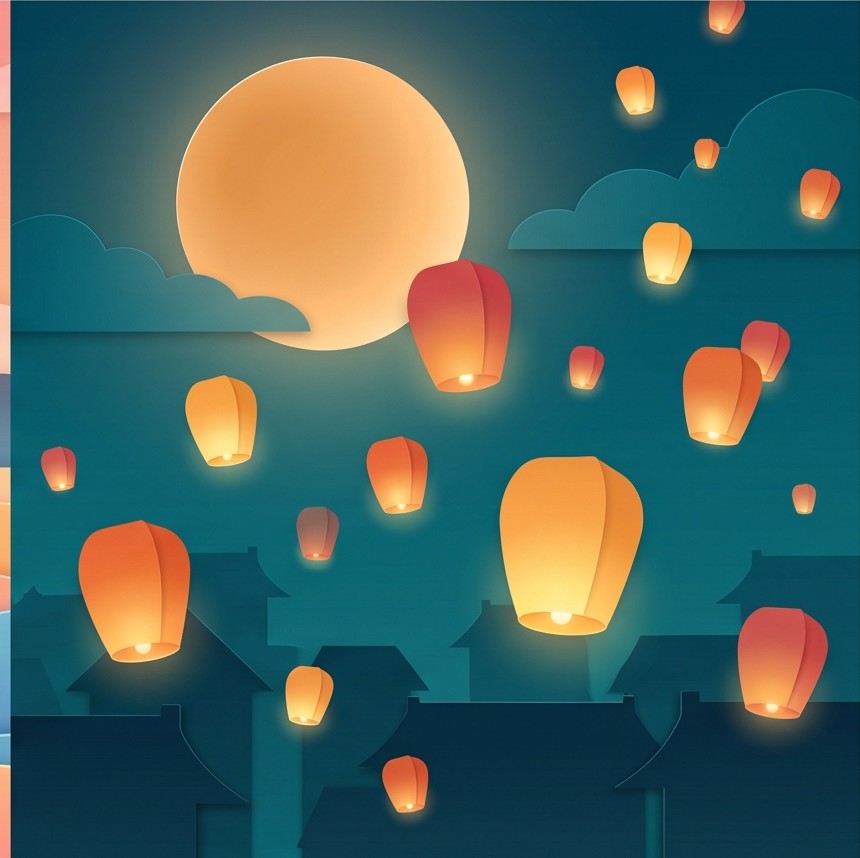
What makes it a good first story is that nothing terrible happens. Cuội is not punished and not rescued. He is simply somewhere far away, under his tree, looking down. Children find that easy to hold, and on the night of the Mid-Autumn Festival they are told to look up and find him in the shadow of the full moon — which turns an abstract story into something they can go outside and check.
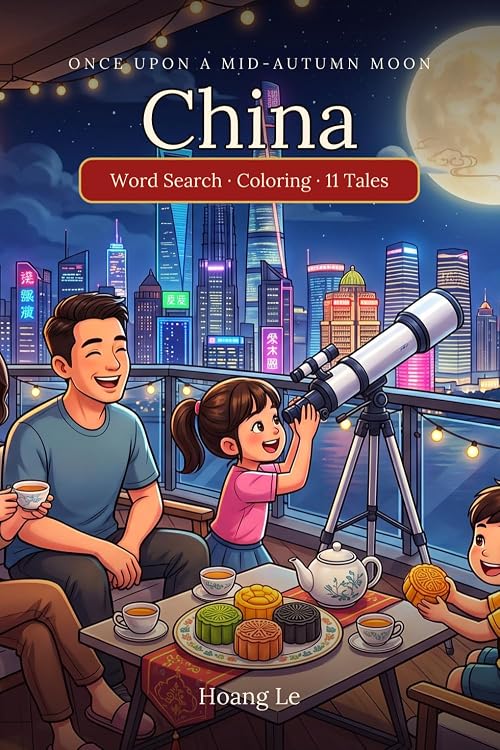
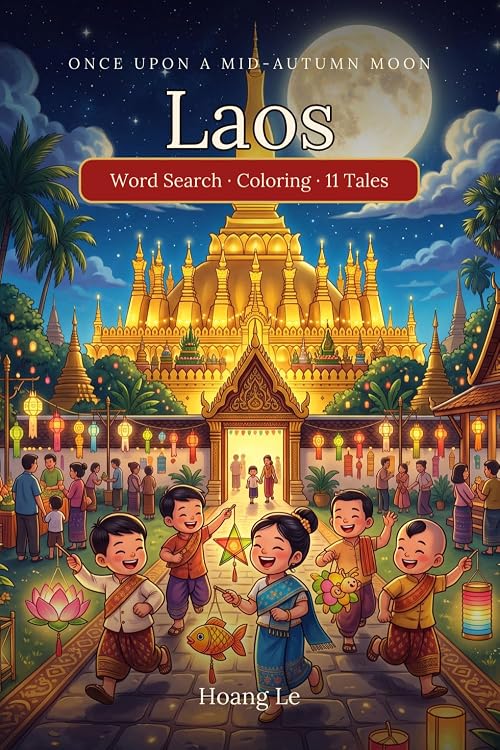
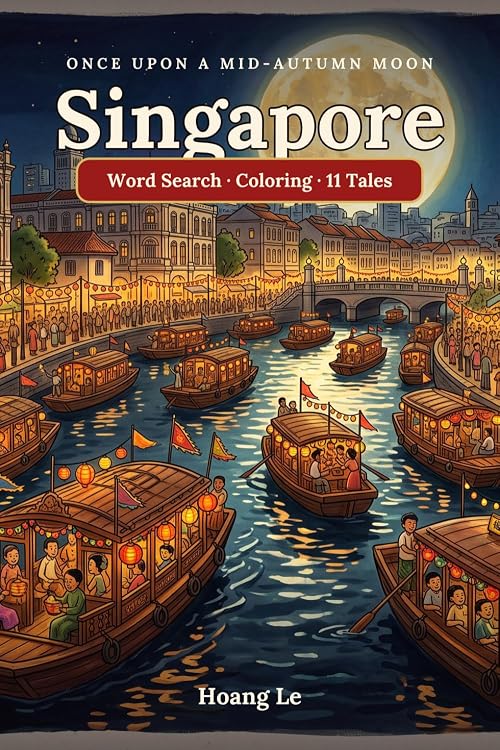
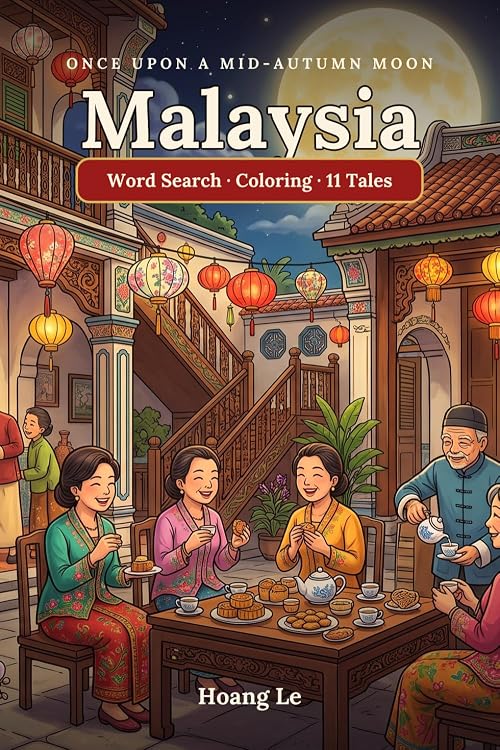
The festival itself is worth knowing alongside the story: our Mid-Autumn Festival guide for parents covers what it is and how families mark it. It falls on 25 September 2026. If you would rather have the stories already written down for reading aloud, Once Upon a Mid-Autumn Moon in Vietnam collects eleven of them for ages 4–10, and there is a companion volume for China if you want to hear the same festival told from two countries.
Two more worth telling
Both exist in many versions — what follows is the shape they usually take, not a text to be quoted.
- The watermelon story. A man is sent away to a bare island with almost nothing and survives by growing a fruit nobody there had seen before. On the surface it explains where watermelons came from. Underneath it is about what a person is still worth after everything has been taken off them.
- The star fruit tree. Two brothers, one greedy and one not. A bird eats the fruit from the tree and offers to pay for it in gold, on one condition — bring a small bag. One brother believes the condition. The other finds out why it was there.
Both are short enough to tell from memory once you have read them, which is the real test of a folktale: it should survive being told badly.
Why so many of them are about virtues
A large share of Vietnamese folktales are, underneath the plot, about how to behave: keeping a promise, sharing when you have little, telling the truth when a lie would be easier, showing respect to someone who has not earned it yet. The stories rarely lecture. Somebody does something, and something follows from it, and the child draws the line themselves.
That structure is the reason they work so well at bedtime. There is no moral tacked on at the end to argue with — just an event and its consequence, which is a much lighter thing to fall asleep on.
The five virtues, and the colours attached to them
A framing that runs through a good deal of Vietnamese and Chinese storytelling gives each virtue a colour: green for kindness, red for respect, yellow for trust, white for fairness, black for wisdom. It is a useful handle for a child, because a colour is easier to remember than an abstract noun — and easier to notice afterwards, out in the world.
The Five Colors of a Gentle Heart is built on exactly that: twenty bedtime tales from ancient Vietnam and China, four for each virtue, set in rice fields and river villages. A farm girl shares her last rice seedlings. A boy searches three days to keep a promise. A young guard learns that the bravest thing he can do is lower his sword.
How to tell them, if you did not grow up with them
You do not need the language and you do not need to be Vietnamese. A few things help:
- Keep the names. Say Chú Cuội, say Tết Trung Thu, and say them imperfectly. A name kept badly carries more of a story than a name replaced with an English one.
- Learn two or three words. Not a vocabulary lesson — just enough that the story sounds like it comes from somewhere.
- Read the version before you read it aloud. Older retellings can end harshly, as folklore does everywhere. Know which ending you are holding before a small child is waiting for it.
- Let the question sit. These stories are meant to be talked about, not concluded. "What would you have done?" is usually a better ending than an explanation.
Where to go next
If what you are actually after is the bedtime habit rather than the tradition, bedtime stories about kindness covers what makes a short story land at the end of a long day, and why five minutes is usually the right length. If you are building a shelf rather than picking one story, the guide to multicultural children's books covers how to tell the books that know their subject from the ones wearing it as a costume.