A holiday with its own stories, its own lanterns, its own small rituals tends to do something quietly useful for a family: it makes reading together feel special for a stretch of days without anyone having to work at it. The festival does the motivating. Then the festival ends, the decorations come down, and a lot of families find the momentum simply evaporates along with it.
Why the drop-off happens
The honest reason is that a themed celebration supplies its own built-in reason to keep showing up: a new story every night felt like part of the occasion, not a separate obligation. Once the occasion passes, that automatic reason goes with it, and reading has to stand on its own again as just another thing competing for a tired evening's attention. That is a much harder sell than "let's see what happens tonight in the story," which is what a themed collection quietly offers for free.
The good news is that the habit itself, the physical act of sitting down together with a book at the same point every evening, is the valuable part, and it does not actually require a festival to keep running. What it requires is a replacement source of "what happens next," so the routine does not go looking for a reason and come up empty.
How to carry the momentum forward
The simplest move is to line up the next collection before the current one runs out, rather than after. A family partway through a themed set of stories, with no obvious next book waiting, is a family one tired night away from the habit quietly lapsing. Having something already picked out and sitting on the shelf removes that decision entirely at the exact moment decision-making is hardest: the end of a long day.
It also helps to notice what specifically made the recent stretch work, and look for more of that rather than assuming the whole habit needs reinventing. If short, complete tales were the part that made bedtime easy, keep choosing short, complete tales rather than switching to one long chapter book that asks for a bigger nightly commitment. If a recurring character or frame made a child excited to find out "who's telling tonight's story," look for another collection built the same way rather than a single standalone book that offers no such anticipation.
It can also help to keep one small thread from the festival alive on purpose, even after the stories themselves change. If lantern-lit walks became part of the routine for a couple of weeks, keep the walk and simply drop the lantern. If a particular closing phrase or goodnight ritual got attached to the festival's stories, carry that same phrase into whatever comes next. The specific stories can rotate freely. The shape around them is what is actually worth protecting.
Let the standard be smaller than the festival week was
A holiday week is, almost by definition, an unusually motivated stretch — more excitement, more novelty, more energy than an average Tuesday in October will realistically have. Trying to sustain that exact intensity year-round sets the bar too high and guarantees a sense of failure the first ordinary week that falls short of it. Aim instead for the smaller, steadier version: one short story most nights, no pressure to match how special last week felt, and let the habit be boring and reliable rather than constantly festive.
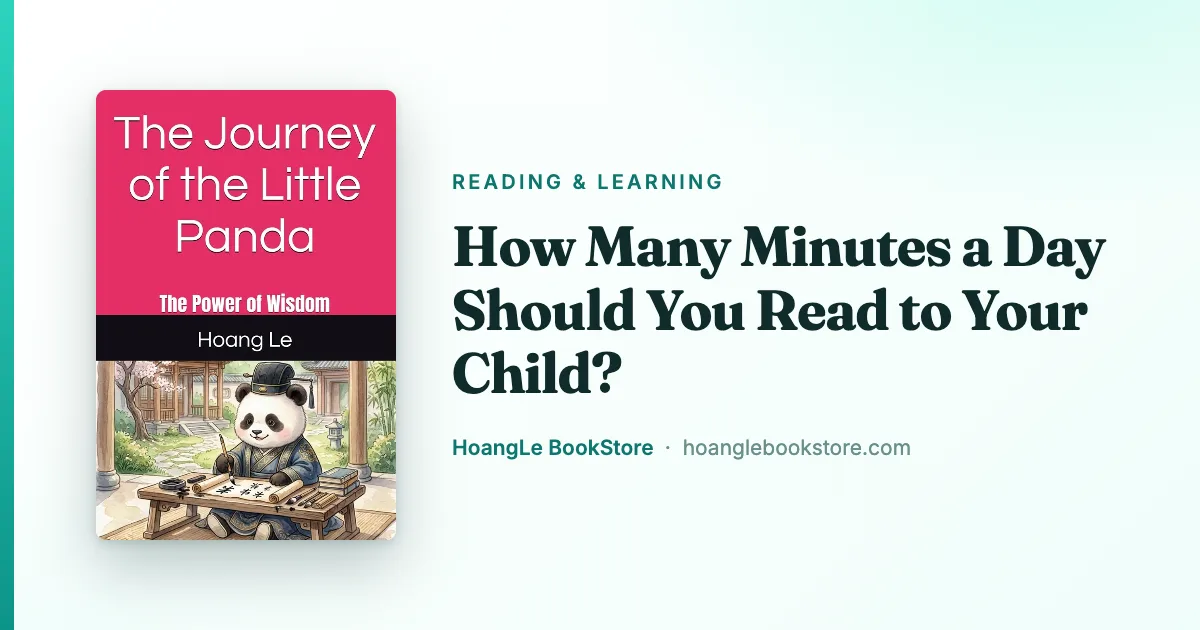
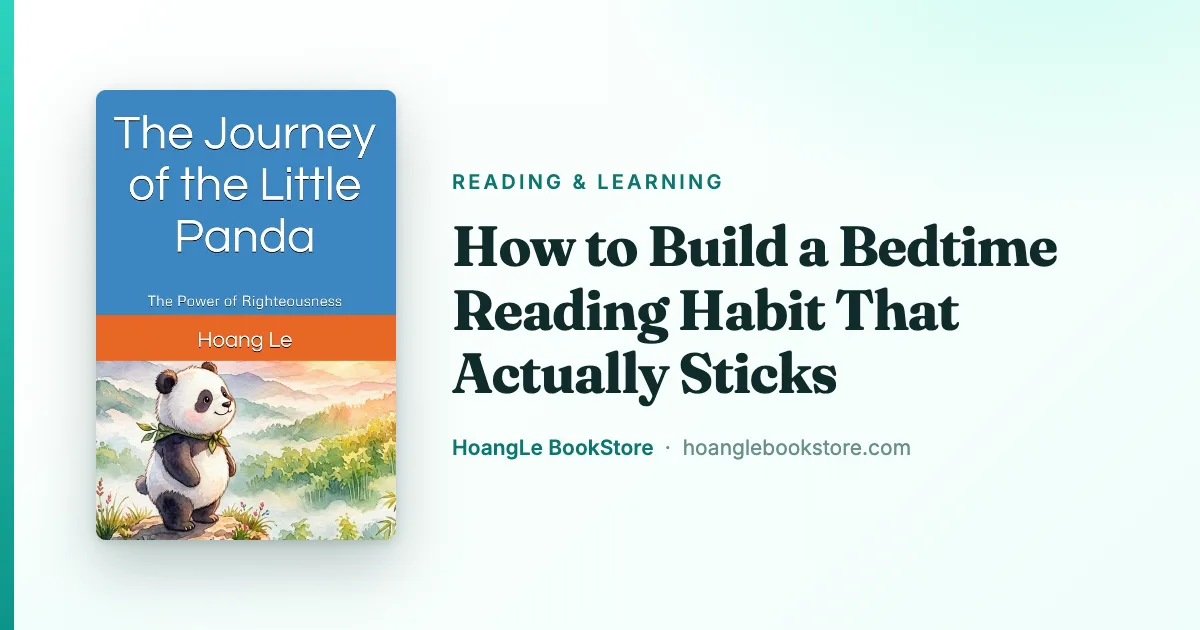
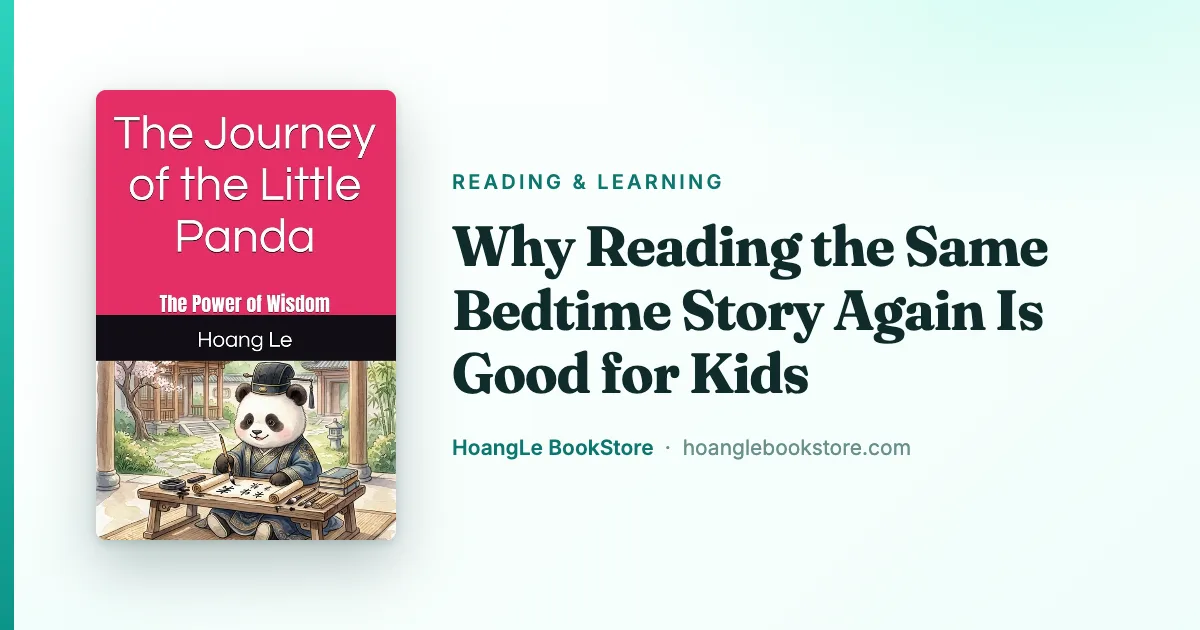
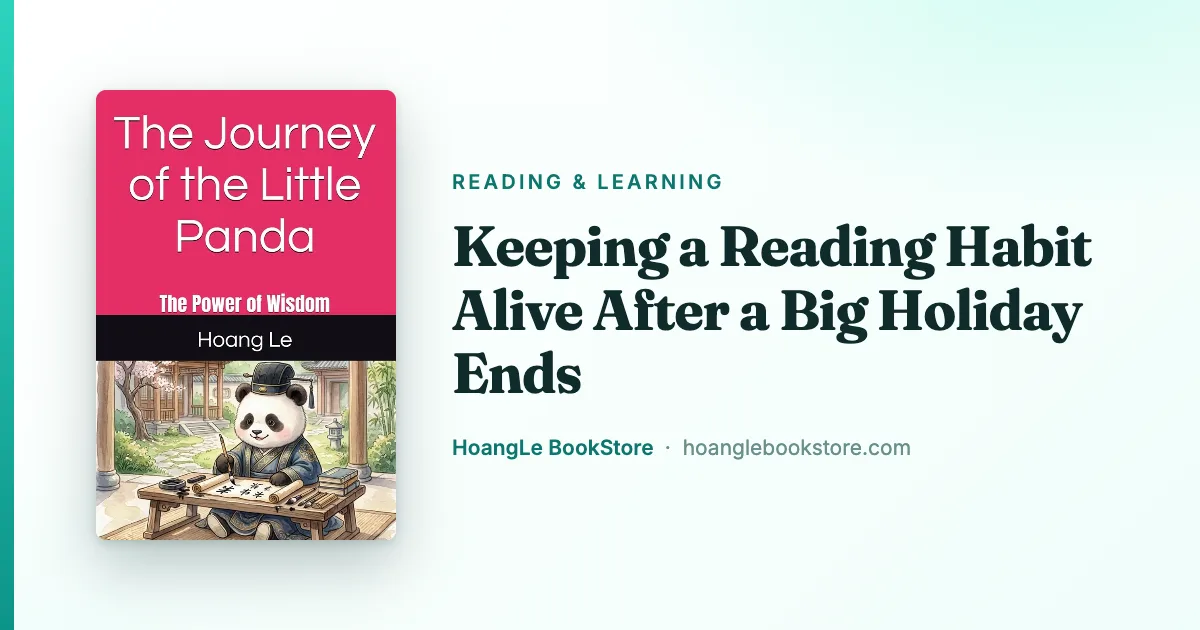
Any collection of short, self-contained tales works well as the next chapter once a themed set winds down. The Journey of the Little Panda: The Power of Wisdom and the rest of the series on the books page are built for exactly this kind of quiet continuation — no festival required, just one short story, most nights.