









When young siblings fight, the calmest approach is to stay out of the verdict. Step in fast only if someone could get hurt. Otherwise, narrate what you see, let them try to fix it, and help them find a solution that works for both, instead of deciding who was right. Nemours KidsHealth says to step in only if there is a danger of physical harm, and to work things out with the children, not for them.
That advice can feel wrong at 5 pm with two overtired kids and a pot about to boil over. This guide covers what to say in the moment, how to tell when to step in and when to hold back, and what makes the next fight less likely. It matters more as the holidays near, because long school breaks and crowded houses put children in the same room for hours.
First, a quick safety check
Before anything else, look at the bodies. Is anyone hitting hard, throwing something, or pinned down? If so, step in right away, calmly and with your body: stand between them, say "Stop. I will not let anyone get hurt," and separate them. The aim is safety, not a lecture.
If it is shouting, grabbing at a toy or name calling, you have more room. Nemours KidsHealth suggests that when you are worried about the words being used, you can coach children through what they are feeling with better words, which is different from stepping in and separating them.
What to say in the moment
Stay neutral. Describe what you see without naming a culprit, because the same source notes it takes two to fight and anyone involved is partly responsible. Try these:
"I see two kids who both want the red truck."
"You sound really angry. Tell your brother with words, not hands."
"Both of you look upset. Let's take a breath, and then I will listen to each of you."
If emotions are running high, separate the children for a few minutes. Nemours KidsHealth advises giving them space until they are calm and saving any learning conversation for later, when the feelings have died down. A fight you try to solve while both children are crying usually starts again.
Once everyone is calm, ask each child for their side, one at a time, and repeat it back: "You wanted the truck because you were in the middle of a game." Then ask the question that moves them forward: "What could we do so you both get a turn?" Offer a choice if they are stuck, such as a timer, trading, or a different toy for now. Nemours KidsHealth calls this a win-win, where each child gains something.
When to step in and when to let them work it out
A simple way to decide is to sort the fight into three levels.
Let it run: loud disagreements about toys, turns or who sits where, with no hitting. Stay nearby and listen. Children are practicing skills they will need for years.
Coach: name-calling, one child giving up in tears, or a fight that has gone round the same loop three times. Offer words and ideas, then step back.
Step in: hitting, kicking, throwing, anything that could injure, or one child clearly overpowering another. Separate first, talk later.
Why not rescue every time? Nemours KidsHealth says always stepping in can teach children to wait for you to save them, and can make one child seem always protected, which breeds resentment. Their guidance also notes that handling conflict teaches children to value another person's point of view, compromise and control aggressive impulses.
There is a reason to take the fights seriously, though. In a study of 136 children in middle childhood, researchers led by Clare Stocker at the University of Denver found that more sibling conflict predicted more anxiety, depressed mood and delinquent behavior two years later (Journal of Family Psychology, 2002). One squabble is not the concern. Constant, heated fighting deserves attention.
How to prevent the next fight
Most of the work happens when nobody is fighting.
Set a few family rules together. Nemours KidsHealth suggests hands to yourself, and no cursing, name calling, yelling or door slamming, and asks for the children's input on the rules and the consequences. The point, the source says, is that children learn they are responsible for their own actions, however provoked they felt.
Give each child time with you alone. It can be ten minutes at bedtime or a walk to the mailbox. Many children fight to get a parent's attention, and one on one time takes some of the fuel away.
Do not chase perfect fairness. The same source says it is fine for one child to need more than the other on a given day. "Fair means everyone gets what they need" is a sentence that works with a 6-year-old.
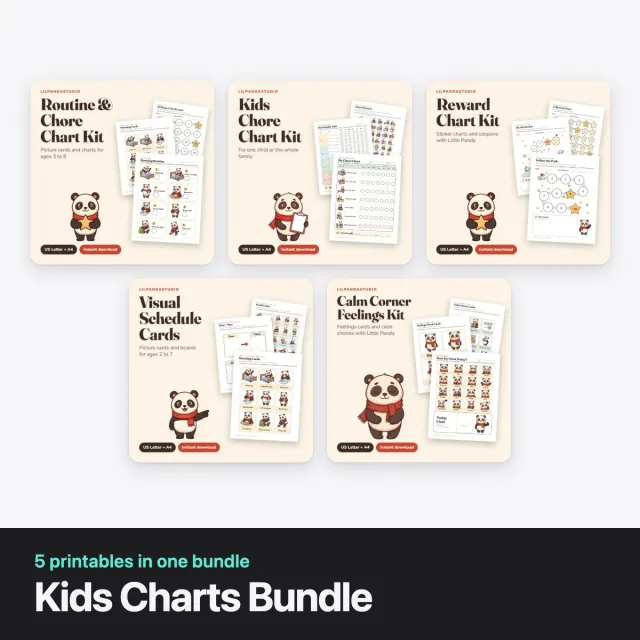
Make a schedule for the usual flashpoints. If the tablet, the front seat or the special cup causes most of the fights, post who gets it when. A simple chart on the fridge settles it before it starts.
Protect separate space. Each child needs something that is theirs, plus a break from each other now and then.
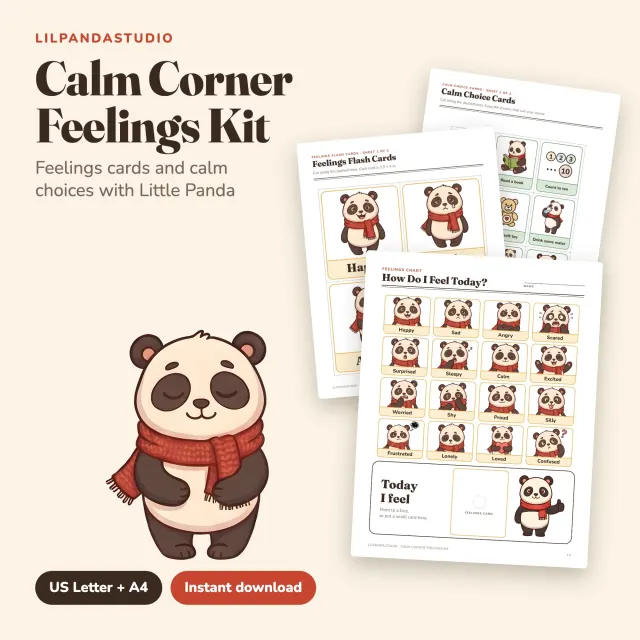
Plan for the break. Holiday weeks mean cousins, noise, late bedtimes and shared rooms. Build in a quiet hour, an outdoor run, and a family game, since Nemours KidsHealth notes that fun family activities help ease tension. A feelings wheel for kids can give a young child words for "I am mad" and "I am jealous." If listening is the part that falls apart first, our guide on how to get a preschooler to listen without yelling goes with this one. Shared read-aloud time also counts as together time that is not a competition, and you can browse stories on our books page.
What the research says about parent help
A 2017 systematic review by Tucker and Finkelhor in Trauma, Violence & Abuse found only five studies of programs for school-aged children. Two of them trained parents in mediation techniques. Of the four that measured social skills, results were positive, and two of the three that measured sibling relationship quality showed better sibling interactions than the comparison group. The authors say more research is needed, so treat this as promising, not proven.
When to ask your pediatrician
Talk with your child's doctor if the fighting causes injuries or a real danger of physical harm, if it does not ease over time, or if it seems to be hurting a child's mood or self-esteem. Nemours KidsHealth also lists conflict that strains the household badly, or that may be tied to other concerns such as depression. Your doctor can help you decide whether a referral to a mental health provider makes sense.