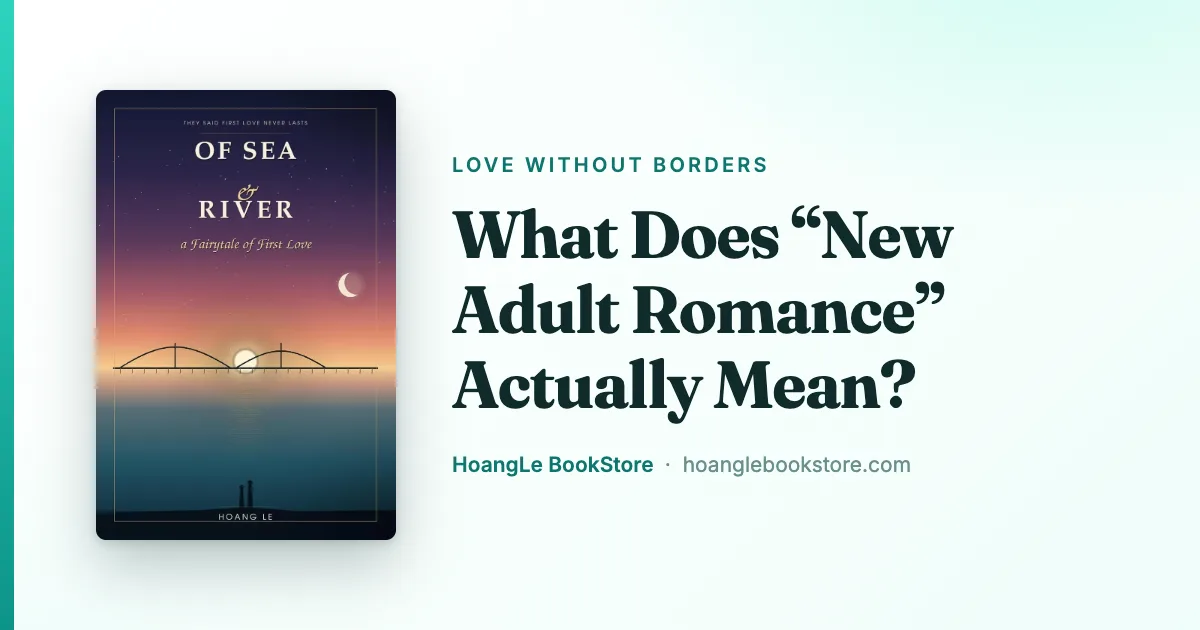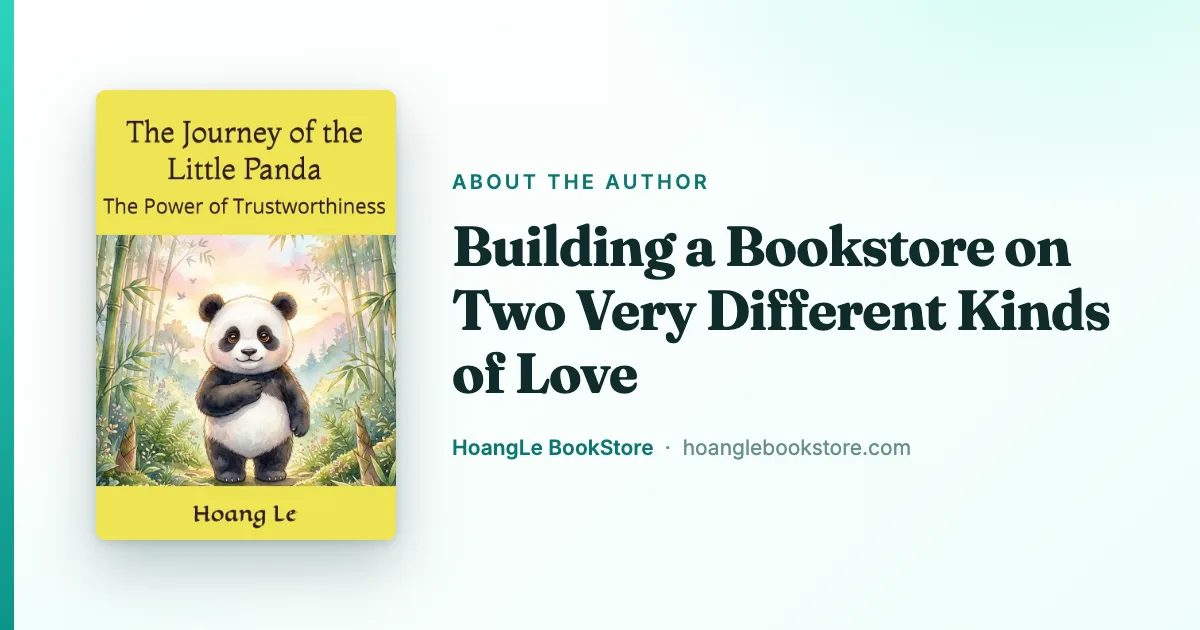
It is a fair question, and Hoang Le gets it often enough that it is worth answering directly: what does a bedtime story about a panda learning kindness have to do with a slow-burn romance about a Turkish lighthouse keeper and a Georgian asylum seeker? On the surface, not much. Look a little closer, and it turns out to be almost the same book, written for two different ages of reader.
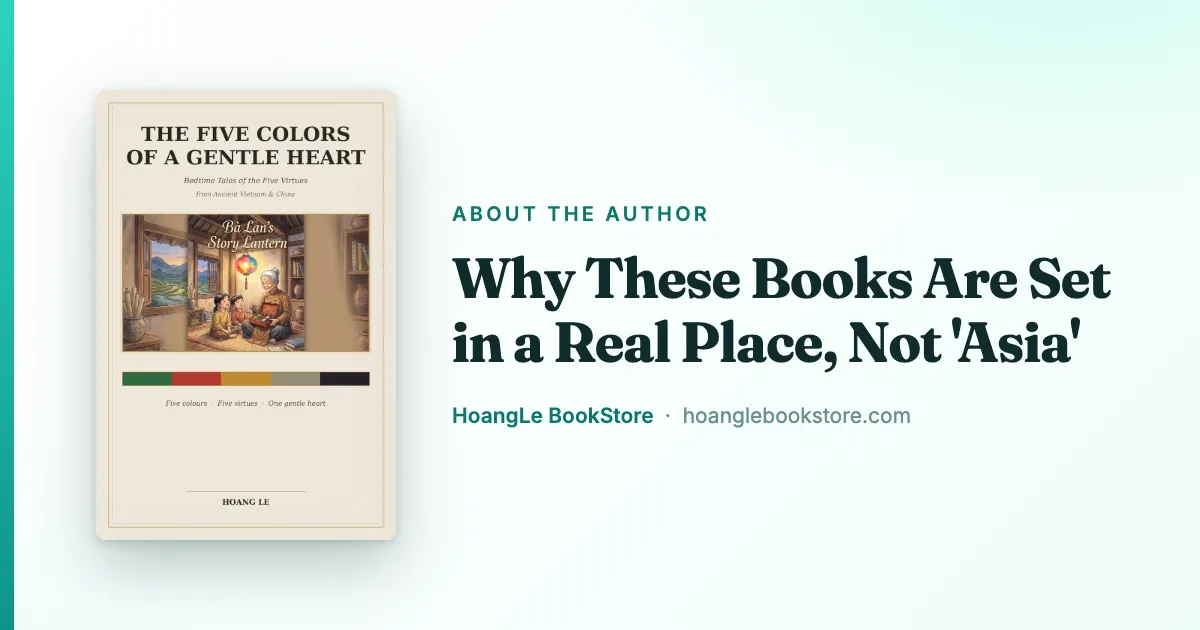
Every story Hoang writes, for a five-year-old or a grown adult, is built around the same basic conviction: that connection across difference, whether that difference is a generation, a culture, a language, or a border on a map, is worth the effort it takes, and that the effort itself is usually where the meaning lives. In the children's books, that idea shows up as a small panda learning that courtesy means treating a humble gardener with the same respect as a powerful mandarin, or a grandmother braiding five different colored threads into one cord to show two grandchildren that a person is never only one thing. In the adult novels, the same idea shows up as two people finding a way to understand each other across a language neither of them was born speaking, or a couple choosing, again and again, to keep loving each other across an ocean that keeps trying to convince them it cannot be done.
The two lines share a set of raw materials, too, more than a casual reader might notice. Eastern heritage runs through both, whether it is the rice paddies and lantern festivals of a children's folk tale or the Bosphorus strait and Georgian polyphony of an adult romance. World folklore shows up in both, sometimes literally, as with the moon legends retold for children, and sometimes structurally, as with the star-crossed, distance-spanning shape that has organized love stories across cultures for centuries. And kindness, in both lines, is something a character does rather than something a narrator announces. A children's book shows it through a small gesture that changes what happens next. A romance novel shows it through a choice made at real cost, when it would have been easier not to make it.
Writing both is not a business strategy so much as an honest reflection of what actually interests Hoang as a storyteller: not children's stories, specifically, and not romance, specifically, but the particular, quiet drama of two people, or two generations, or two cultures, finding their way toward each other despite everything telling them they cannot. That drama happens to look very different at five years old than it does at thirty-five, which is why the books look so different sitting next to each other on a shelf. But underneath, it is the same question, asked twice, at two different volumes: what does it actually take for love, in any of its forms, to cross a border it was never supposed to cross?
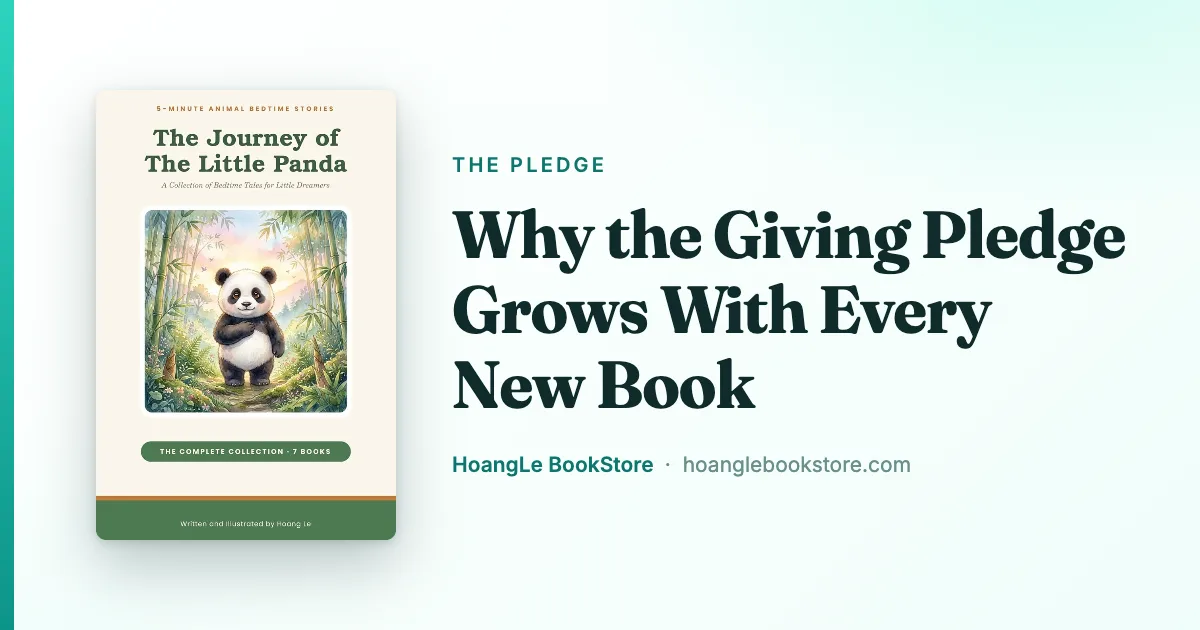
It shapes how the giving pledge fits into both lines, too. Fifty cents from every copy sold, children's book or romance novel alike, goes toward a veterans organization, a decision rooted in one specific, living relationship rather than a cause chosen to fit a brand. It sits comfortably next to both kinds of books for the same reason the two lines sit comfortably next to each other on a shelf: the pledge, like the stories themselves, is really just another form of the same idea, that showing up for someone across a gap, whether that gap is an ocean or a single generation, is worth doing quietly and doing consistently.
Readers who only know one side of the catalog are often surprised, once they read the other, by how familiar it feels. The full range of both lines, gentle bedtime tales and sweeping cross-cultural romance, is on the books page for anyone curious to see the connection for themselves.