For a while, publishing conventional wisdom held that romance readers wanted more heat, not less, and that closed-door books were a niche within a niche. That assumption has been quietly falling apart, and the reasons behind the shift say more about what readers actually want from a love story than any single trend does.
Closed-door, or fade-to-black, romance simply means intimacy is implied rather than shown on the page. The emotional relationship is every bit as central, often more central, than in an explicit book. What changes is where the story chooses to point the camera. And for a growing number of readers, that choice is not a limitation. It is a relief, because it forces a book to do its real work somewhere other than the bedroom.
Part of the appeal is simply about attention. When a scene is not doing the heavy lifting of physical description, every other tool in a writer's kit has to work harder: dialogue, small gestures, the specific thing a character notices about someone's hands or voice or the way they say a name. Readers who gravitate toward closed-door books often describe the tension in them as more sustained, not less, precisely because nothing is released early. The longing has nowhere to go until the story is ready to let it.
There is also a simple practical reason more readers are seeking these books out now: they are easier to share. A closed-door romance can be recommended to a mother, a teenage niece, a book club with a wide range of comfort levels, or a reader who is simply tired of skimming past scenes to get back to the plot, without anyone needing to check content warnings first. That shareability turns individual readers into the kind of word-of-mouth engine that actually moves books, which is part of why the category has grown even as it receives less industry attention than its explicit counterpart.
None of this is a judgment on explicit romance, which does its own real work for its own readers. It is simply an argument that closed-door is a deliberate craft choice, not an absence, and that the best examples of it prove the point by being every bit as emotionally intense as anything with the door left open. A slow-burn, second-chance love story spanning twelve years and a broken promise does not need an explicit scene to make a reader's chest hurt. It needs two people who have clearly, painfully missed each other, and a moment where that finally gets to matter.
There is also something to be said for how a closed door changes the way readers experience the ending itself. When intimacy has been implied rather than shown throughout a book, the final chapter's quiet, private moment lands with more weight, because it has been earned by an entire book's worth of restraint rather than delivered as one scene among several. A first kiss after twelve years apart, or a hand finally held across a distance that was never supposed to close, can carry as much charge as any explicit scene, precisely because the story has spent its whole length making the reader wait for exactly that.
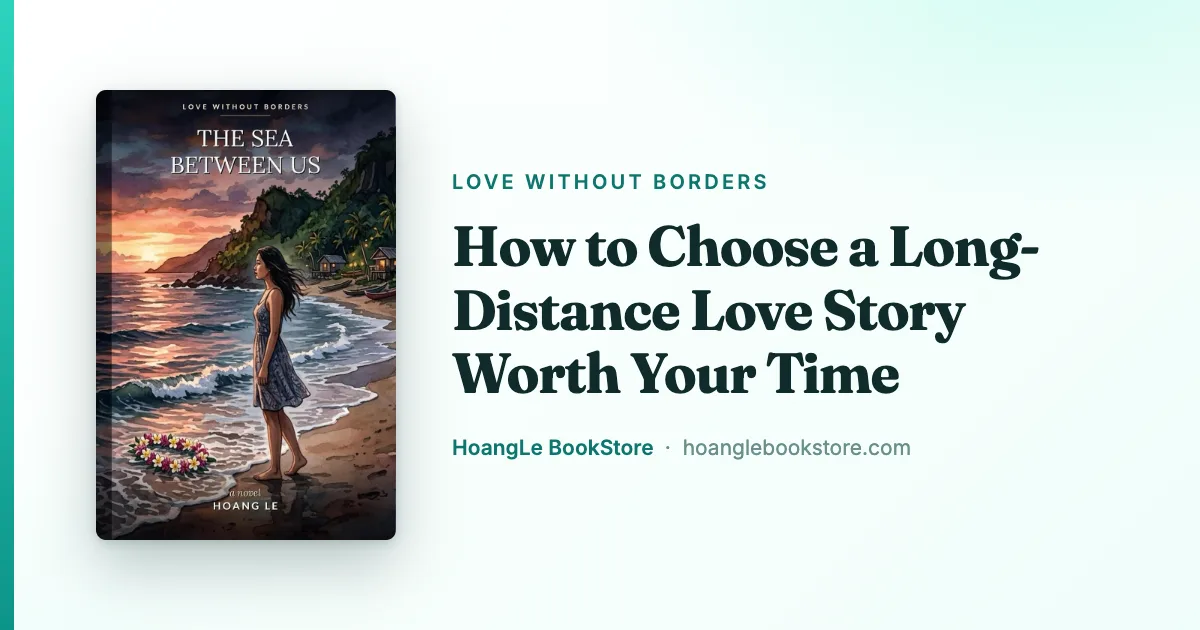
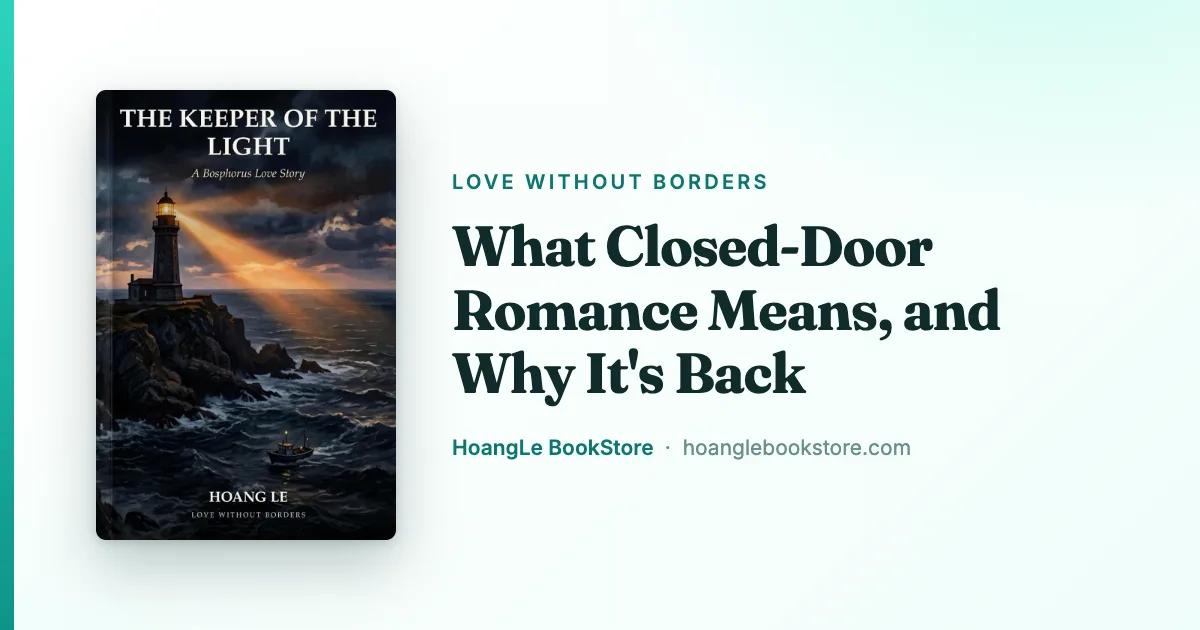
Both The Sea Between Us and The Keeper of the Light are written this way: clean and emotional, dual point of view, with intimacy handled with a light touch and the real intensity carried entirely by longing, history, and the specific things two people say to each other when they finally get the chance. For readers who want a love story that lands hard without needing a content warning to hand it to anyone, they are on the books page now.