Long-distance love stories are one of the oldest structures in romance, and also one of the easiest to get wrong. Put enough physical space between two characters and you automatically get longing, which feels like tension but is not, on its own, actually tension at all. The distance has to be doing something, and the difference between a long-distance romance that lingers with a reader and one that just marks time is almost always visible before you finish the first act.
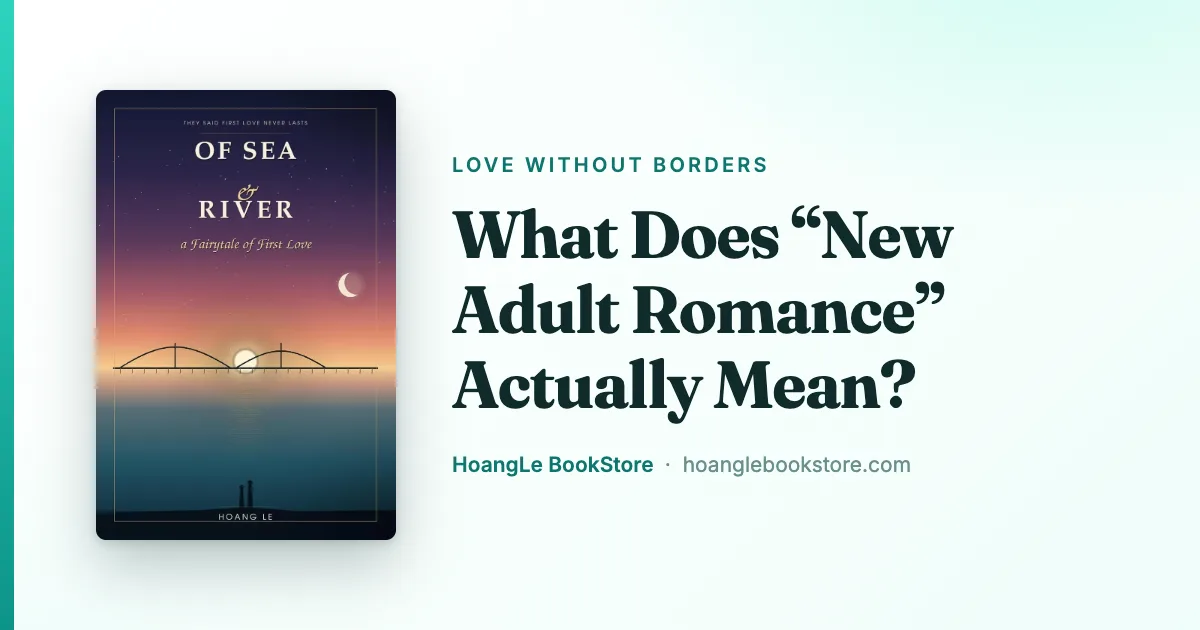
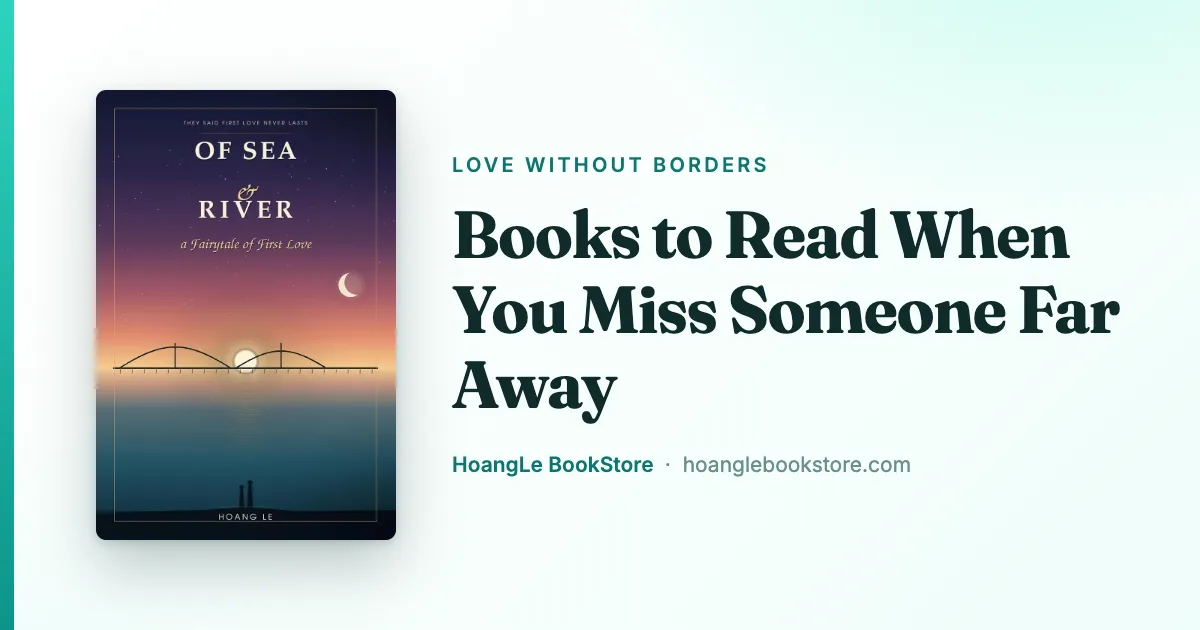
The first thing worth checking is whether the distance is a fact of the story or an obstacle the story is actually interested in. A couple separated by a country's width because a scholarship, a job, or an accident of geography pulled them apart is only interesting if the book cares about the specific texture of that separation: what gets lost in a message that has to travel through a language barrier, what a phone call at the wrong time zone actually costs someone, what it means to fall asleep to a sunset your partner has not seen yet. A love story built between a coastal city and a river city six hundred kilometers apart, held together at first by nothing more than good-morning messages, midnight calls, and a single sunset passed from one horizon to the other, treats the distance itself as a kind of character, not just a plot device standing between two people and a wedding.
The second thing worth checking is what the distance actually costs the characters, beyond simply missing each other. The best long-distance romances put a real decision at the center: a scholarship on one side of an ocean, a career that only exists in one specific place, a family that needs someone to stay. If closing the distance is free, cost-free, and the only thing standing in the way is timing, a reader can feel that the ending was never actually in doubt, and the ache the genre promises never quite arrives. When crossing the distance means giving something real up, the reunion at the end means something, because it was actually a choice and not just a matter of waiting long enough.
It is also worth noticing how a book handles the gap in time itself, since long-distance stories often span years rather than months. A story that skips the waiting entirely, jumping straight from goodbye to reunion, tends to feel thin, because the years apart are exactly where the emotional stakes should be accumulating. The strongest versions let a reader feel the weight of that time passing: a decade of letters that always end the same way, a life that looks complete from the outside and does not feel that way at all, the specific ordinary sadness of loving someone from very far away for a very long time.
Finally, the ending has to earn the distance it made a reader sit through. A reunion that happens simply because enough time has passed, without either character actually having to choose the other over something else they wanted, tends to feel anticlimactic no matter how long the wait was. The ending should cost someone something, or force someone to be brave in a way they were not brave at the start, or it risks feeling like the book just ran out of pages rather than arrived somewhere.
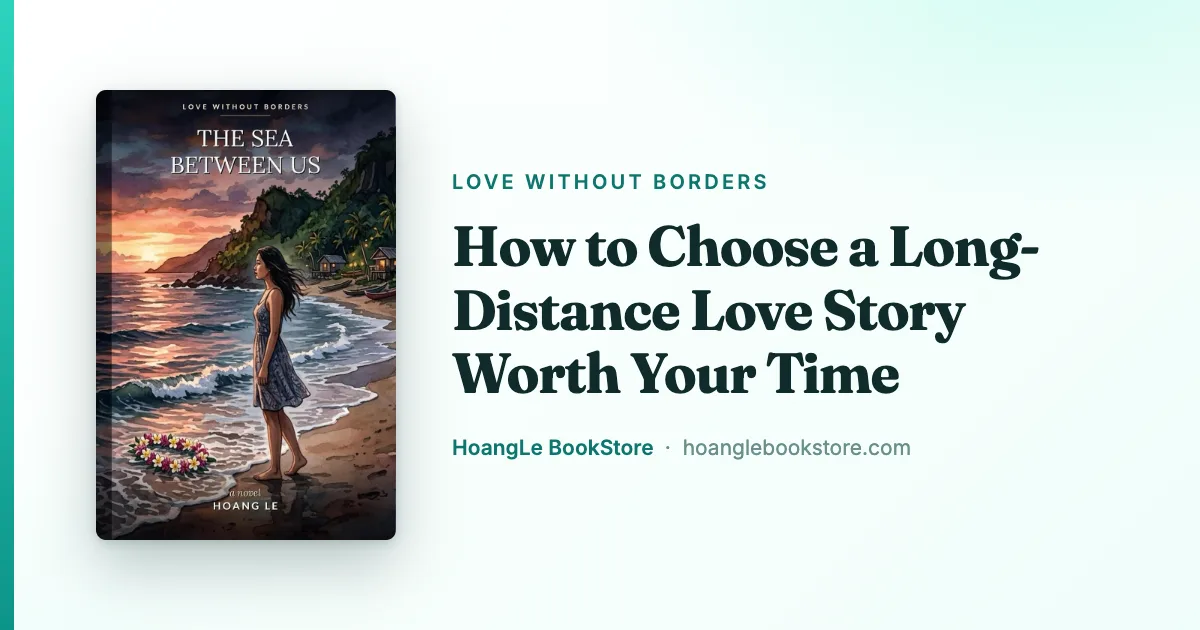
Readers looking for long-distance stories built this deliberately have two places to start: Of Sea and River, a first-love story stretched across the length of Vietnam, and The Sea Between Us, a second-chance romance spanning twelve years and an entire ocean. Both are on the books page now.