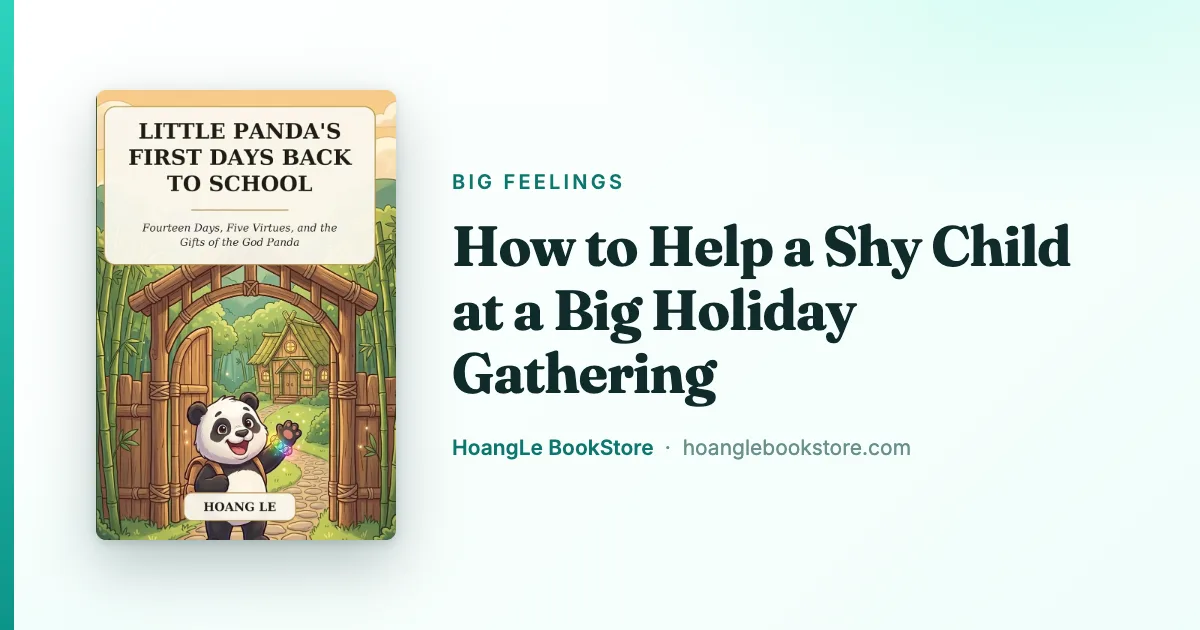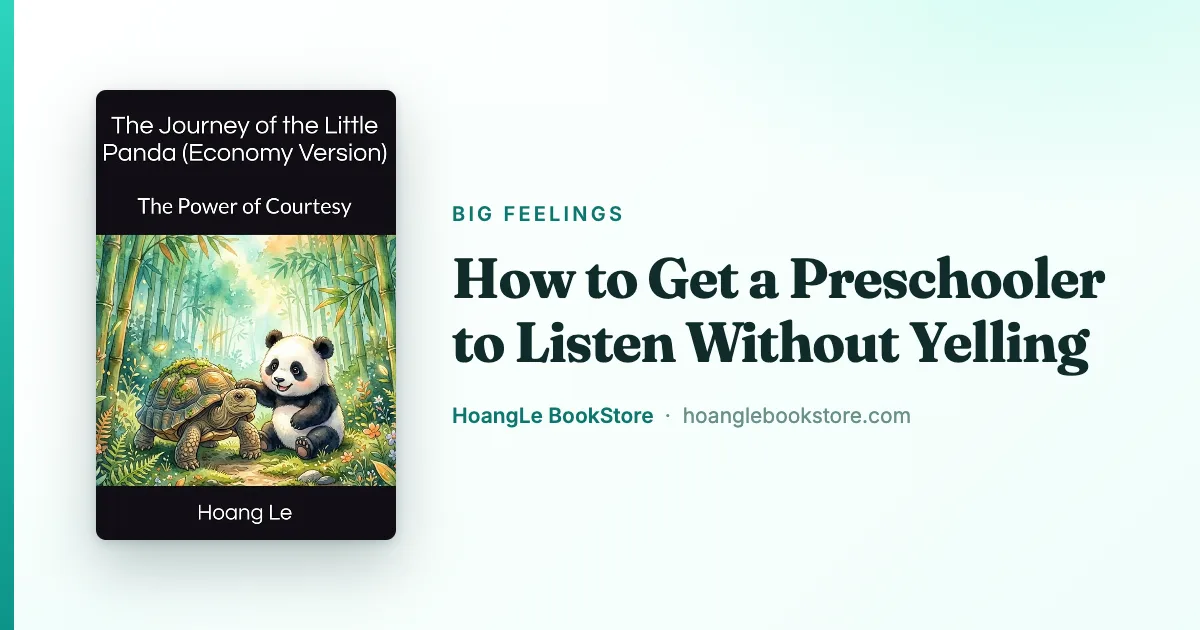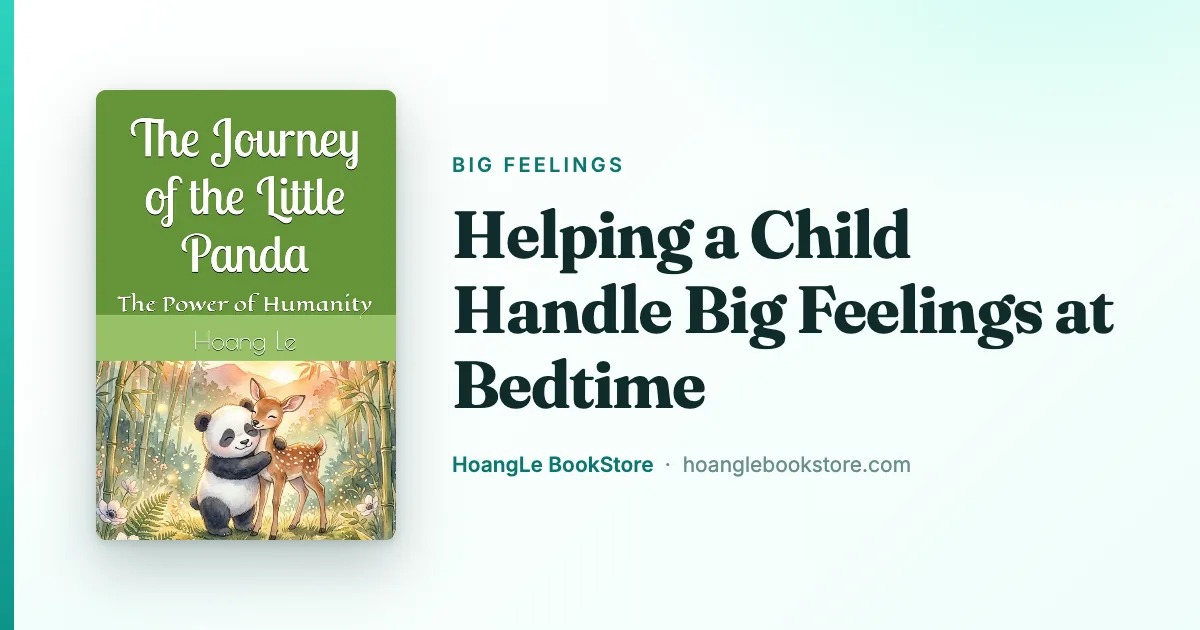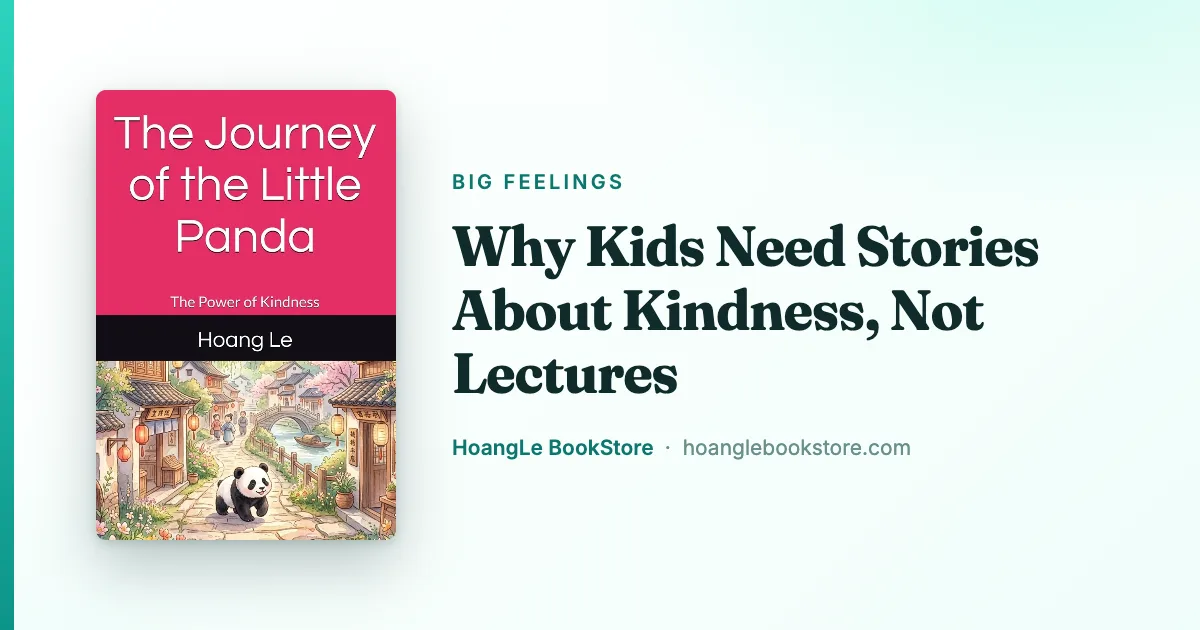
Tell a four-year-old to "be kind" and you will likely get a nod, a quick return to whatever they were doing, and no real change in behavior. Show that same four-year-old a character who shares the last of something they wanted for themselves, and something different happens. They do not just hear the idea. They watch it work.
This is not a minor difference in delivery. It is the difference between a rule and an example, and children's brains process the two in almost opposite ways. A rule asks a child to accept something on authority, which is exactly the kind of demand a small child is developmentally built to resist. A story does not ask for agreement at all. It simply shows a character facing a real decision, letting the child watch the choice unfold and feel, alongside the character, whether it turned out to matter. That felt experience sticks in a way that a lecture almost never does, because it was arrived at rather than imposed.
There is a reason folk tales across cultures use this exact structure instead of stating their lessons outright. A farmer shares half of what little rice she has left with a hungry stranger, and her field grows fuller than anyone else's that season. A woodcutter frees an injured crane instead of selling it, and the cranes lead his starving village to food the following winter. Neither story tells the listener that kindness is good. It simply lets kindness do something, on the page, that the listener can watch happen. Children draw their own conclusion, and a conclusion you draw yourself is much harder to forget than one you were handed.
This also explains why the same handful of virtues keep showing up, generation after generation, across completely different traditions. Long before modern parenting books existed, storytellers already understood that a child raised only on rules learns to follow rules, while a child raised on stories learns to recognize situations. The second skill is the one that actually transfers to real life, because real life rarely announces itself as a "kindness test." It shows up disguised as an ordinary moment: a smaller kid struggling with a door, a classmate sitting alone, a friend who could use the last cookie more than you could.
None of this means the lesson should be hidden so deeply that a child misses it entirely. A gentle "what we learn" line at the end of a story, read aloud after the tale itself, gives a child language for the feeling they already had while listening, without turning the story itself into a lecture in disguise. The story does the emotional work. The short reflection afterward just helps a child name what they already understood.
It also helps to notice which virtue a story is actually teaching, rather than assuming every gentle tale is interchangeable. Kindness, honesty, patience, courage, and fairness are related but distinct skills, and children benefit from seeing each one modeled on its own terms rather than folded into one vague message about "being good." A collection built around five clearly named virtues, each with its own small cast of characters and its own concrete choice, gives a child more specific material to draw on than a single story trying to do everything at once.
If bedtime in your house has room for one more layer beyond the goodnight kiss, look for stories where a character's kindness, honesty, or courage actually changes what happens next. That cause and effect, quietly built into the plot, is doing more of the real teaching than any moral printed at the bottom of the page. A few collections built exactly this way are on the books page, organized by the virtue each story is built around.